輪船,輪船
你對接的兩個國家
用塵埃畫成邊界
這是個郵件比寫信人更加早流淚的時代
你是寫些什麼呢,貢獻一生去讚頌
奉獻花朵的邪教,一場大雪從此落滿了
不屬於白色的紅豆
他們說一個人就像一個國家,所以我
在太空站對接的時候,發現宇宙的背後只是虛空
我用花朵的邊界為輪船畫出最後的跑道
你要飛翔,等待知更鳥從雪後的日出領悟到
不屬於任何字的光
他們一束束排成思念子,我將你獻祭給海
揮發所有眼淚的暖陽
20.2.17
15.2.17
歌詞分享(一):春夏秋冬
作為土生土長的香港人,我最喜歡、最欣賞的語言當然是廣東話,而最喜歡聽的歌曲種類亦是廣東歌。本地不少樂評人也批判香港樂壇「詞大於曲」的現象,認為本地音樂人忽略旋律、編曲等音樂元素的重要性,但這是無可厚非的現象,因廣東歌歌詞的藝術價值幾乎是全球之冠。中文一字多義,廣東話還要總共九聲,比起英語、法語、普通話繁複得多。要為曲調填上廣東話歌詞,音調幾乎要完全吻合,這是方文山或 Bob Dylan 都恐怕不能征服的挑戰。偏偏在香港,我們有一眾出色的作詞人,藝術造詣極高,除了能夠填出符合「啱音」這個基本要求的歌詞,更能夠引入意象、用典等文學元素。廣東歌詞作為全球最佳的歌詞,實在是當之無愧。
作為九十後的香港人,固然知道上一輩的作詞人,例如許冠傑、黃霑、鄭國江的豐功偉績,他們為廣東歌詞開創先河,奠定了日後的基礎。稍後的林振強、向雪懷、潘源良等人的藝術成就亦不容忽視,但他們始終生不逢時(尤其是林振強),最得我們九十後青睞的莫過於「兩個偉文」——筆名林夕的梁偉文與沒有筆名的黃偉文。單憑筆名已能辨認出兩人詞作的差異——沒有筆名的黃偉文,用字簡單直接、一針見血,輕易引起七百萬人共鳴;筆名極具詩意的林夕(「梦」字拆開),詞作則較多豐富的藝術手法,更引入佛家、道家思想,雖高深莫測,卻毫無曲高和寡之感。我認為他們即使拼在蘇軾、辛棄疾、李清照等人身旁,亦不遜色,一千年之後,我期待他們同樣獲得後世的傳頌。
雖然兩人的詞作我也十分喜愛,但更具藝術價值的始終是林夕的。而啟發我今天作此轉載的是林夕為麥浚龍於《無念》專輯裡寫的《驚蟄》與《秋分》,以春夏秋冬、季節輪迴喻愛情的變幻無常。我亦加入了張國榮的《大熱》、王菲的《紅豆》,以及黃耀明的《四季歌》,嘗試延續林夕的愛情觀並完成此系列。可留意林夕如何以不同手法呈現各個季節的獨特特徵,當中負載複雜的情感,亦可留意林夕的功力如何使他能夠於流行、大眾化以及高明、典雅的風格之間遊走以及取得平衡。
春
《驚蟄》
風乾了五臟 憑何說痛
土掩了六腑 靈慾沒輕重
睡死中不必知有夢
懷念過的 化秦俑
秋霜凍舊情 春雨誘人 如何避世
麻木似檀木 亦會 被蛇蟲咬噬
泥塵下愛如螻蟻心難藏
沒法隨回憶一起殉葬
隔世情緒又萌芽怒放
難奈碎雨重降驚雷重光
心碰撞 火氣旺 燒不乾
誰令我如泥造的嘴
嚐過滋潤 慾望再起騷動
看 遊園那出驚夢
自閉 閉目前才破功
未想愛如螻蟻心難藏
被世界提醒春意怒放
那場雷雨令記憶 狂妄
面對知覺 何處不慌惶
光天化日裡無地葬
妄說忘我卻未忘掉 為何怕光
臂膀濕了 血脈急了
隨一念驚濤
已睡死的古墓 誰出土
夏
《大熱》
我撲向你似撲向了懸崖
我要抱你要抱到你腐壞
若未領會銘心刻骨怎瞭解
愛這世界哪夠愛你偉大
吻過了你會使我更自大
願望實現地廣天高都瓦解
憑著髮膚之軀愛火中燒
足夠將破壞力炫耀
誰在煽風點火我的高燒
鐵石亦會被融掉
大熱像赤道重疊
命運注定若離別
世界快將有浩劫
殞石最終碰撞磨滅
大熱越愛越狂熱
妒忌像火焰強烈
血氣鑄出鋼鐵
地球大戰怎比愛轟烈
秋
《秋分》
還沒好好的感受
紅日微風吹幼苗
船在橋底輕快搖
橋下流水趕退潮
何地神仙把扇搖
作為九十後的香港人,固然知道上一輩的作詞人,例如許冠傑、黃霑、鄭國江的豐功偉績,他們為廣東歌詞開創先河,奠定了日後的基礎。稍後的林振強、向雪懷、潘源良等人的藝術成就亦不容忽視,但他們始終生不逢時(尤其是林振強),最得我們九十後青睞的莫過於「兩個偉文」——筆名林夕的梁偉文與沒有筆名的黃偉文。單憑筆名已能辨認出兩人詞作的差異——沒有筆名的黃偉文,用字簡單直接、一針見血,輕易引起七百萬人共鳴;筆名極具詩意的林夕(「梦」字拆開),詞作則較多豐富的藝術手法,更引入佛家、道家思想,雖高深莫測,卻毫無曲高和寡之感。我認為他們即使拼在蘇軾、辛棄疾、李清照等人身旁,亦不遜色,一千年之後,我期待他們同樣獲得後世的傳頌。
雖然兩人的詞作我也十分喜愛,但更具藝術價值的始終是林夕的。而啟發我今天作此轉載的是林夕為麥浚龍於《無念》專輯裡寫的《驚蟄》與《秋分》,以春夏秋冬、季節輪迴喻愛情的變幻無常。我亦加入了張國榮的《大熱》、王菲的《紅豆》,以及黃耀明的《四季歌》,嘗試延續林夕的愛情觀並完成此系列。可留意林夕如何以不同手法呈現各個季節的獨特特徵,當中負載複雜的情感,亦可留意林夕的功力如何使他能夠於流行、大眾化以及高明、典雅的風格之間遊走以及取得平衡。
春
《驚蟄》
風乾了五臟 憑何說痛
土掩了六腑 靈慾沒輕重
睡死中不必知有夢
懷念過的 化秦俑
秋霜凍舊情 春雨誘人 如何避世
麻木似檀木 亦會 被蛇蟲咬噬
泥塵下愛如螻蟻心難藏
沒法隨回憶一起殉葬
隔世情緒又萌芽怒放
難奈碎雨重降驚雷重光
心碰撞 火氣旺 燒不乾
誰令我如泥造的嘴
嚐過滋潤 慾望再起騷動
看 遊園那出驚夢
自閉 閉目前才破功
未想愛如螻蟻心難藏
被世界提醒春意怒放
那場雷雨令記憶 狂妄
面對知覺 何處不慌惶
光天化日裡無地葬
妄說忘我卻未忘掉 為何怕光
臂膀濕了 血脈急了
隨一念驚濤
已睡死的古墓 誰出土
夏
《大熱》
我撲向你似撲向了懸崖
我要抱你要抱到你腐壞
若未領會銘心刻骨怎瞭解
愛這世界哪夠愛你偉大
吻過了你會使我更自大
願望實現地廣天高都瓦解
憑著髮膚之軀愛火中燒
足夠將破壞力炫耀
誰在煽風點火我的高燒
鐵石亦會被融掉
大熱像赤道重疊
命運注定若離別
世界快將有浩劫
殞石最終碰撞磨滅
大熱越愛越狂熱
妒忌像火焰強烈
血氣鑄出鋼鐵
地球大戰怎比愛轟烈
秋
《秋分》
那段盛夏燦爛過
長過一聲葉落
短過世間一甲子
如霧水不堪風沙揮霍
那段日月轉動過
荷塘哪可不乾涸
情人也只好收割
再別勉強冬至才分開
因愛透才不愛
落葉鳴謝過
每棵樹像菩提若熟透很自然飄下來
繼續感慨未會順變 如何能節哀
一圈圈相戀周期永不偏差
在對象裡聚散循環也罷
愛又暖又冷又暖冰封了又化
下季自有下個代你開花
寒蟬臨行也替秋分做證
告訴我黃葉隨腐土雋永
憑何讓彼此變一對雪人擁抱著等待決裂有聲
凝固那還未幻滅的風景
如何能捱到眼睛滴水即成冰
凍結血肉無能力反應
然而難等到赤地飛霜
天想我學會去順應 應心領
我沒有在雪上期待炭 多高興
冬
《紅豆》
長過一聲葉落
短過世間一甲子
如霧水不堪風沙揮霍
那段日月轉動過
荷塘哪可不乾涸
情人也只好收割
再別勉強冬至才分開
因愛透才不愛
落葉鳴謝過
每棵樹像菩提若熟透很自然飄下來
繼續感慨未會順變 如何能節哀
一圈圈相戀周期永不偏差
在對象裡聚散循環也罷
愛又暖又冷又暖冰封了又化
下季自有下個代你開花
寒蟬臨行也替秋分做證
告訴我黃葉隨腐土雋永
憑何讓彼此變一對雪人擁抱著等待決裂有聲
凝固那還未幻滅的風景
如何能捱到眼睛滴水即成冰
凍結血肉無能力反應
然而難等到赤地飛霜
天想我學會去順應 應心領
我沒有在雪上期待炭 多高興
冬
《紅豆》
還沒好好的感受
雪花綻放的氣候
我們一起顫抖
會更明白什麼是溫柔
還沒跟你牽著手
還沒跟你牽著手
走過荒蕪的沙丘
可能從此以後
可能從此以後
學會珍惜天長和地久
還沒為你把紅豆
還沒為你把紅豆
熬成纏綿的傷口
然後一起分享
然後一起分享
會更明白相思的哀愁
還沒好好的感受
還沒好好的感受
醒著親吻的溫柔
可能在我左右
可能在我左右
你才追求孤獨的自由
有時候 有時候
有時候 有時候
我會相信一切有盡頭
相聚離開都有時候
相聚離開都有時候
沒有什麼會永垂不朽
可是我 有時候
可是我 有時候
寧願選擇留戀不放手
等到風景都看透
等到風景都看透
也許你會陪我看細水長流
四季
《四季歌》
四季
《四季歌》
紅日微風吹幼苗
雲內歸鳥知春曉
哪個愛做夢 一覺醒來
哪個愛做夢 一覺醒來
床畔蝴蝶飛走了
船在橋底輕快搖
橋上風雨知多少
半唱半和 一首歌謠
半唱半和 一首歌謠
湖上荷花初開了
橋下流水趕退潮
黃葉風裡輕輕跳
快快抱月睡 星星閃耀
快快抱月睡 星星閃耀
凝望誰家偷偷笑
何地神仙把扇搖
留下霜雪知多少
螞蟻有洞穴 家有一個門
螞蟻有洞穴 家有一個門
門外狂風呼呼叫
四季似歌有冷暖
來又復去爭分秒
又似風車轉到停不了
又似風車轉到停不了
令你的心在跳
―林夕
9.2.17
The Top Ten Films of 2016
In the calendar year of 2016, I visited the cinema 38 times. While I am far from an established critic, I, like any other cinephile, form strong opinions of the films I watch. I hereby present a top 10 list of the movies I watched this year.
For a motion picture to be eligible for inclusion on this list, it must meet all three of the following criteria: it must be a feature-length film in any language, it must be released in Hong Kong cinemas in the calendar year of 2016 (limited engagements do not count), and it must be rated I, IIA, or IIB (as a minor, I am unable to attend screenings of films rated III).
#10: Brooklyn
Directed by John Crowley
Written by Nick Hornby

#9: Fantastic Beasts and Where to Find Them
Directed by David Yates
Written by J. K. Rowling

Fantastic Beasts is a welcome return to J. K. Rowling’s ever-wonderful Wizarding World, with a screenplay penned by none other than Rowling herself. Her first attempt at screenwriting is unpolished and unfocused – her script does not give the film sufficient time to breathe, thus scenes jump oddly and without notice – yet all is forgiven by her expansive imagination, the solid character development, and the hauntingly relevant social allegory of the message. The core quadruple reminds me of the endearing trio of Harry Potter, and is helped by the expectedly likable Eddie Redmayne. Yates is good, but not great, in world-building, and the film, as a franchise-opener, inevitably pales in comparison with the cultural landmark that is Philosopher’s/Sorcerer’s Stone, but promises something more spectacular to come in future episodes.
#8: Your Name (君の名は。)
Written and directed by Makoto Shinkai

While Hollywood has abandoned traditional hand-drawn animation, Japan has produced yet another masterpiece in the genre, featuring jaw-droppingly beautiful montages that make you wonder again and again, “how did mere mortals draw this?” The first act of Your Name is admittedly clichéd, and Japanese anime storytelling – different in structure than Hollywood traditions – has always troubled me, but it takes some unexpectedly mature twists and turns that elevate it from mediocrity. Another highlight is the unashamed teenage-angst rock-pop soundtrack written by Japanese band RADWIMPS, which cements the film’s now-classic status in pop culture. The film is an optimistic and heartwarming celebration of modern-day, post-2011-earthquake Japan, but also pays its homage to ancient Japanese culture, making this a profound reflection of what it means to be Japanese in 2016.
#7: Creed
Directed by Ryan Coogler
Written by Ryan Coogler and Aaron Covington
 The Rocky franchise was near-death and hanging on life support, but then came Creed, the savior of the franchise, and the ultimate feel-good movie of 2016. It is yet another film on this list with a story that appears clichéd on paper, but is redeemed and ennobled by successful execution. While Sylvester Stallone was showered with awards and nominations early this year, it is Michael B. Jordan’s star-making turn that makes this film undeniably and irresistibly entertaining, moving, and uplifting.
#6: Captain America: Civil War
Directed by Anthony and Joe Russo
Written by Christopher Markus and Stephen McFeely
 Civil War, when viewed independently, does have its flaws, but nonetheless usurps The Avengers as the crowning achievement of the Marvel Cinematic Universe. The foundation of its success was laid in a decade of consistently quality filmmaking, but this does not make the filmmakers’ accomplishment any less incredible – they managed to tell the story of more than a dozen characters in an orderly and emotionally inviting fashion. The film sacrifices the frenetic intensity of its direct predecessor, The Winter Soldier, and replaces it with an grandness that proves to be more effectively found in characters’ quarrels instead of battles against an unending supply of faceless robots. I’m especially glad at the direction the story took in the third act, which demonstrated the golden rule of thumb of storytelling – characters, not spectacle, are the core of story. While the choreography is less stylistic than that of The Winter Soldier, the central battle is still, by far, the best action set-piece of 2016. Perhaps the biggest surprise of the film is the seamless introduction and integration of Black Panther and Spider-Man; not only does this showcase the crew’s storytelling abilities, it also promises great things to come for the forthcoming The Avengers: Infinity War.
#5: Zootopia
Directed by Byron Howard and Rich Moore
Written by Jared Bush and Phil Johnston

While Moana (to be released in Hong Kong in 2017) might be Disney’s best rendition of their princess movie formula to date, it is the breakage of said formula that makes Zootopia such a triumph. Zootopia is many things – a buddy-cop comedy, a crime thriller, a bildungsroman – at the same time, but never feels unfocused. Its world-building is sensuously lavish and luscious, its script is smart and snarky, and its theme song is infectious. However, it is the surprisingly conspicuous undertones about racial relations and segregation that make this film outstandingly important and relevant in our increasingly divided world. Disney is fully aware of how young its target audiences are, and cherishes this opportunity not only to entertain, but also to educate; it is the manifestation of this ability (as well as excellent and consistent quality of filmmaking, of course) that proves Walt Disney Animation Studios is truly in its second, even stronger, renaissance.
#4: Steve Jobs
Directed by Danny Boyle
Written by Aaron Sorkin
 Justin Kurzel’s Macbeth is undoubtedly 2016’s best Shakespearean adaptation, but Danny Boyle’s Steve Jobs paints the American magnate as a flawed hero worthy of Shakespearean proportions of drama. Scenarist Aaron Sorkin, daring and individualistic, is perhaps Hollywood’s modern-day equivalent of the Bard, and he relishes the opportunity to explore another Kane-like icon (his previous work is The Social Network about Mark Zuckerberg). On paper, his script is undeniably well-written and unsurprisingly Sorkin-esque with unstoppably loquacious characters, but is slightly too self-indulgent and feels more suited for the stage than the screen. Thankfully, Boyle and lead actor Michael Fassbender (coincidentally, Fassbender is also Kurzel’s eponymous King of Scotland) rescue the film by injecting their own distinct style and effort. The result is ostentatious and unabashedly inaccurate at times, but also a masterclass in filmmaking and an amalgamation of the best screenwriting, directing, and acting. Once you accept it for what it is, it becomes a joy to watch.
#3: The Lobster
Directed by Yorgos Lanthimos
Written by Efthymis Filippou and Yorgos Lanthimos
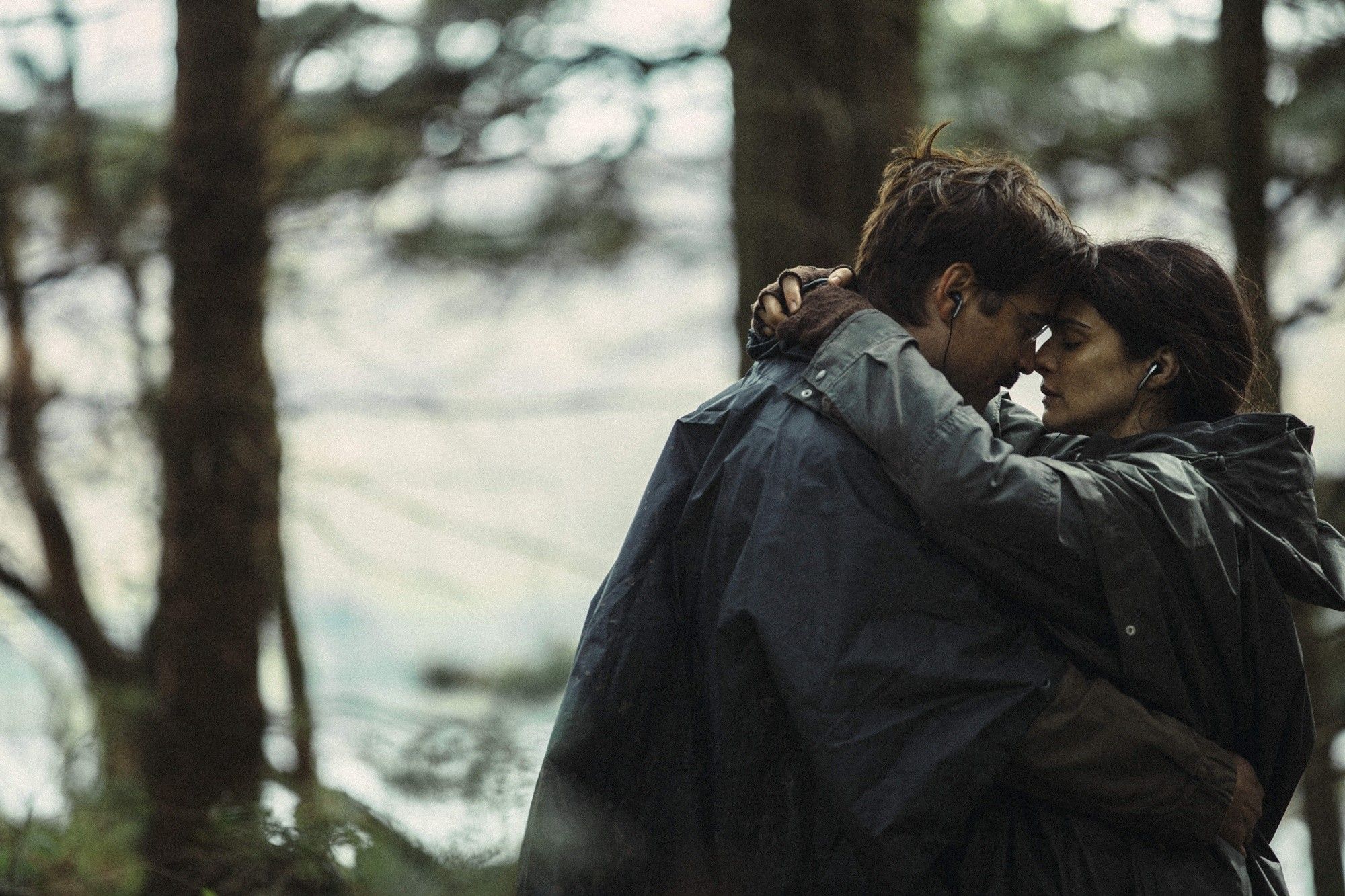
There was a word that kept on popping up in my brain when I watched The Lobster – absurdity. The film is absurd, not because it is ridiculously bad in quality (it is the opposite of that), but because it is a masterful, boundary-pushing work of the Theater of the Absurd. Its Wikipedia page calls it an “absurdist dystopian romantic comedy-drama” – this string of labels suggests that the film is beyond conventional classification. However, it succeeds in each and every one of those labels – its dystopia is haunting, relevant, and realized, its romance is believable and well-acted (kudos to the underrated Colin Farrell), its comedy is dark and twisted, and its drama hooks the audiences throughout. It must be noted that, prior to the string of labels, Wikipedia also calls it an “internationally co-produced” film – it should be no surprise that a film so unorthodox is not Hollywood-made, but co-made by five European countries.
#2: Youth
Written and directed by Paolo Sorrentino

Youth is yet another English-speaking film co-produced by a handful of European countries that feels refreshingly original from the standard Hollywood fare. Critics have called it a disappointment that pales in comparison to Sorrentino’s previous The Great Beauty, but it is nonetheless a work of great beauty. Its cinematography is exquisite, Michael Caine shows that he still has it even at the age of 83, and there are several moments, especially the closing musical sequence, that stop you from evaluating the film’s artistic merits and throw you into indulging in the film’s world. When I left the cinema, I didn’t immediately crave for sequels or read into the film’s lore, but that was okay, because I left with the unshakable feeling that I just watched a great, great film, and that was a moviegoing experience I was unlikely to forget. The film’s Oscar-nominated Simple Song #3 (breathtakingly performed by soprano Sumi Jo) puts the sensory experience of watching this film in a simple yet true way: “I feel complete / I lose all control / I lose all control / I respond”.
#1: Spotlight
Directed by Tom McCarthy
Written by Tom McCarthy and Josh Singer
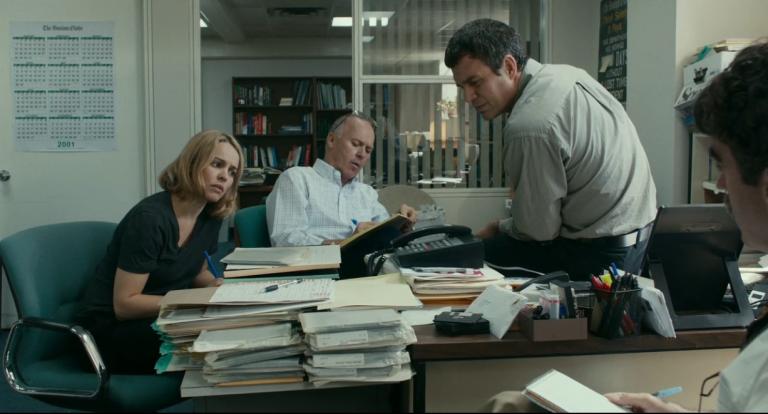
It is the fortieth anniversary of Alan J. Pakula’s All the President’s Men, and we are gifted with an updated version of the classic that admittedly surpasses it in every aspect. Gone are the typewriters of the 1970s, but a noble heart remains – both films show an unflinching appreciation of the work of journalists and a respectable intention to expose certain horrors of society. Much like Watergate, the Roman Catholic church molestation scandal is a touchy subject, and examining it through the lens of journalists makes it even more prone to unevenness, but McCarthy and co-writer Josh Singer strike a perfect balance between the journalists and the priests. They make the often mundane work of journalists thrilling and exciting while ensuring maximum accuracy in their portrayal. However, they are careful to be muted in their celebration of journalism and Boston, as they simultaneously craft an exposé of the scandal that is fittingly sombre and serious. The direction is elegant and pristine, the editing ensures that not a minute is wasted or digressed, and the cast feels more harmonious than The Avengers. All of them is great, but there has been better directing, editing, and acting in 2016. What makes Spotlight stand out is how everything clicks together and produces a result greater than the sum of its parts. (Ironically, that’s what the team of journalists achieved in 2002.) The structural conciseness and effective execution of the film underscore, instead of undermine, its emotional poignancy and resonance. At the end, I felt as shook as each member of the Spotlight team as the film hit me harder than anything else I’ve seen in a cinema in 2016.
The year has constantly presented a conflict between vision and execution. Is it more important to have a wildly imaginative concept and a grand scale, or is it better to have a cleaner structure and stronger realization? Some of the films on this list are inclined towards one side of the conflict and are forgiven for this shortcoming, but most of them are able to accomplish the difficult task of striking an optimal balance between vision and execution.
Honorable mentions go to The Big Short, 10 Cloverfield Lane, Eye in the Sky, Sing Street, Finding Dory, and Rogue One: A Star Wars Story, as well as Hong Kong’s Trivisa, Three, and Soul Mate. Some revered films that I did not have the chance to watch include Deadpool, 45 Years, Kubo and the Two Strings, Sausage Party, and The Handmaiden. Notable Oscar contenders such as La La Land, Moonlight, and Manchester by the Sea have not been released yet and are certainly on the watch for 2017.
Here’s to an even better year of cinema.